Healdsburg Days on Market: What Sellers Need to Know
December 4, 2025
December 4, 2025
How long should a Healdsburg home take to sell? If you are buying or selling in wine country, you will see Days on Market everywhere and it can be confusing. You want clear answers, not mixed signals. In this guide, you will learn what DOM and CDOM mean, how local seasonality shapes timelines, and the steps you can take to price, market, and negotiate with confidence in Healdsburg. Let’s dive in.
DOM is the number of days a property is actively for sale on the MLS from the initial list date until it goes under contract. It is a quick indicator of how quickly similar homes are selling in a given area.
CDOM tracks the total time a property has been on the market across consecutive listings when the MLS rules do not allow a reset. It is designed to reduce artificial resets from withdrawing and relisting.
DOM and CDOM are defined by local MLS policy. Public portals can display different numbers than the official MLS. If you are a buyer, ask the listing agent for the official MLS DOM and CDOM plus any prior listing history. If you are a seller, expect informed buyers to ask about resets and price-change history, and be ready to share accurate details.
Short DOM suggests stronger demand relative to supply. You can see faster showings, multiple offers, and prices at or above list. As a buyer, be prepared to move quickly on a well-priced new listing. As a seller, accurate initial pricing and standout presentation can help capture early momentum.
Longer DOM often points to weaker demand or overpricing for that segment. Buyers may gain negotiating power and ask for concessions or longer contingencies. For sellers, waiting too long to adjust price or marketing can lead to reduced offers and appraisal risk.
If a property shows repeated listings, buyers often ask why. Common reasons include prior pricing, presentation gaps, or property-specific issues. The key is to verify the official MLS record and disclosures, then weigh the story the CDOM timeline tells.
Healdsburg’s market is shaped by wine-country travel. Showing activity typically increases during spring and summer, and again around harvest in late summer and fall. Winter and major holidays tend to be slower. Second-home buyers often plan visits around weekends and event calendars, which can concentrate demand into specific weeks.
Local conditions can lengthen DOM for certain properties. Examples include zoning and short-term rental permitting, water and septic considerations, driveway or access issues, and parcel constraints. Clear disclosures and proactive documentation help keep timelines on track.
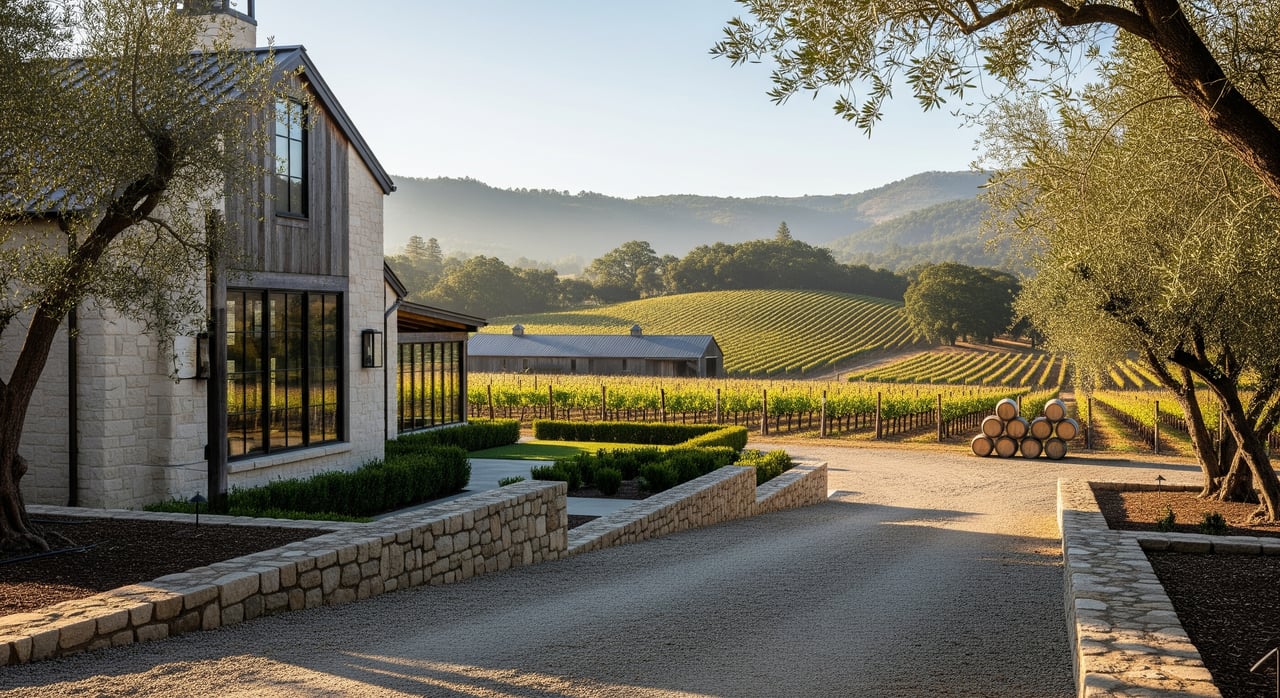
Marketing that highlights lifestyle elements performs well in Healdsburg. Quality photography, floor plans, and video are essential. Easy weekend showings and open houses aligned with tourism patterns help maximize exposure. For larger parcels, drone and twilight imagery can spark stronger early interest.
Accurate initial pricing is the single most consistent driver of a quick, strong sale. Aim to launch within the realistic market band so you capture peak curiosity in the first 10 to 14 days. If you are not seeing quality showings or offers, review feedback quickly and consider a measured price adjustment rather than waiting months.
Professional photos, floor plans, and virtual tours help buyers connect emotionally. Staging is especially effective in wine-country homes where lifestyle matters. Clear descriptions that highlight proximity to Healdsburg Square, vineyard views, outdoor living, and privacy can improve click-throughs and showing requests.
Reach out-of-area audiences such as Bay Area and Sacramento buyers. Use distribution channels and broker-to-broker networks that match your property type. For rural or vineyard listings, share key property information up front, including water, septic, irrigation, and parcel details.
Time your launch and open houses to weekends and key event periods that boost visitation. Be flexible with showing access, especially during high-traffic weekends and after work hours.
High DOM can allow more room for inspections, appraisal protections, or seller credits. Structure terms to match risk, not just price. Consider timing an offer after a price reduction or milestone for added leverage.
These can list year-round, but expect higher activity in spring and early summer. Accurate pricing and strong photos can keep days on market short.
Plan for longer lead times. Spring and early fall often bring the best visitation. Layer targeted outreach to high-intent buyer networks and make showings easy for out-of-town schedules.
Buyers here often need more due diligence, which can extend DOM. Share water, septic, and parcel information up front. Use aerials and maps to clarify layout and access.
DOM and CDOM do more than count days. In Healdsburg, they reflect seasonality, buyer travel patterns, price band behavior, and property-specific factors. If you use these signals to shape pricing, presentation, access, and timing, you can shorten time on market as a seller and make stronger, more protected decisions as a buyer.
Ready to discuss timing, pricing, and a tailored marketing plan for your property? Connect with Rhonda Alderman to request your complimentary home valuation and a plan that aligns with Healdsburg’s demand windows.
Stay up to date on the latest real estate trends.

Rhonda enjoys spending the critical time in understanding her clients’ specific needs and concerns. Contact her today so he can guide you through the buying and selling process.