Pricing your home too high can stall your sale. Pricing too low can leave money on the table. If you are selling in Petaluma, the right number depends on your exact micro‑market, your home’s condition, and how you bring it to market. In this guide, you will learn a step‑by‑step way to set a smart list price, how to handle vintage vs. newer homes, and how premium marketing helps you achieve the number you want. Let’s dive in.
Know your Petaluma micro‑market
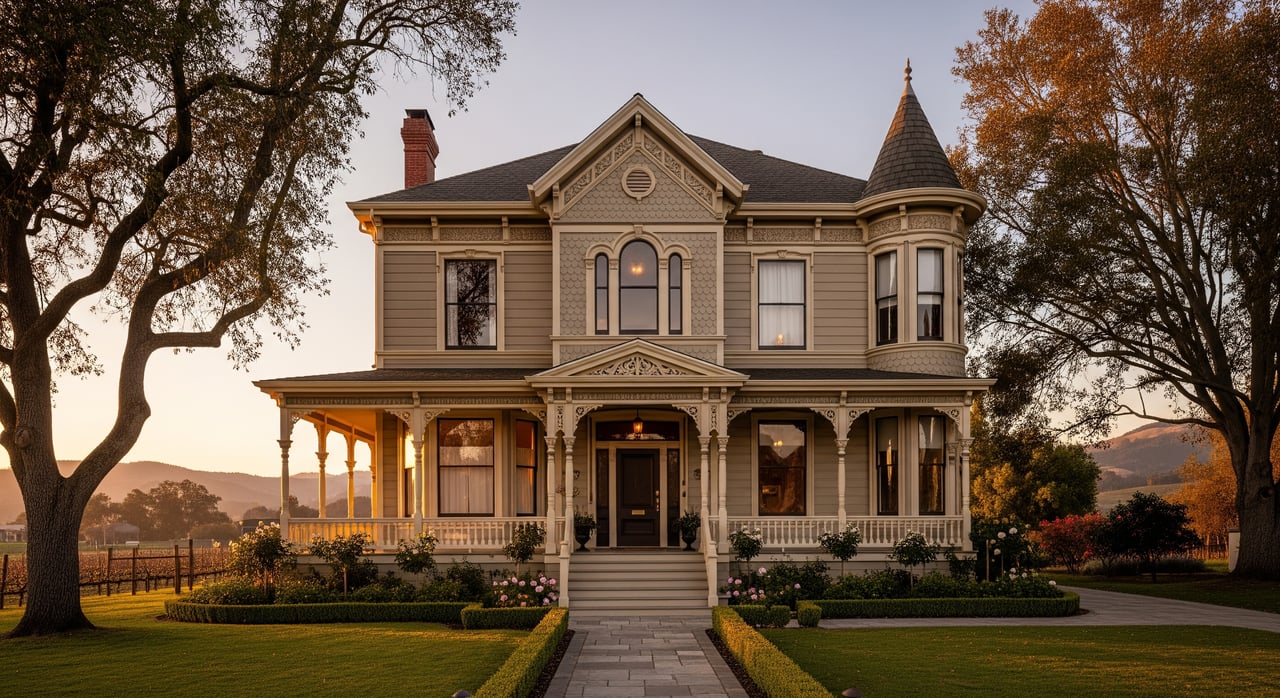
Petaluma is not one market. West Petaluma near downtown has more vintage homes and strong appeal for buyers who value historic character and walkability. East Petaluma tends to offer newer subdivisions, more consistent floor plans, and updated systems. These differences influence price, buyer pool, and how you select comps.
Block‑by‑block details also matter. A view, street position, lot shape, proximity to parks, and commute convenience can shift buyer demand. Be aware of local factors that affect pricing power, including flood zones near riverfront areas, possible historic overlays, and the condition of older systems. Keep school proximity references neutral and factual and rely on official sources for boundaries and commute times.
A step‑by‑step pricing framework
1) Define your micro‑market
- Start small. Look within a 0.25 to 1.0 mile radius that matches your street and neighborhood. Expand only if necessary.
- Separate West and East Petaluma comps unless you can justify adjustments. Treat them as distinct markets.
2) Select strong comparables
- Aim for 3 to 6 recent closed sales, ideally within the last 60 to 120 days. In slower periods, look back 6 to 12 months but weight recency more.
- Match property type, bedroom and bath count, lot size, and square footage. Include pending and active listings for context about competition.
3) Build a price‑per‑square‑foot band
- Calculate the price per square foot for each comp and establish a low, median, and high band.
- For vintage homes with character features, be ready to adjust your analysis if price per square foot comparisons are not apples to apples.
4) Adjust for condition and features
- Make adjustments for upgrades, permitted additions, lot characteristics, garage and parking, views, and outdoor spaces.
- Use a mix of qualitative and quantitative adjustments. As a guide, minor cosmetic differences may suggest 1 to 5 percent adjustments, full kitchen or bath remodel differences may range 5 to 15 percent, and major systems or structural issues can justify 10 to 25 percent or more.
- Document your rationale so your price is easy to justify to buyers and agents.
5) Factor market velocity
- Review days on market, number of competing listings, and the sale‑to‑list price ratio in your immediate micro‑market.
- If demand is steady and inventory is tight, you can consider a slightly aggressive strategy. If inventory is rising, a market‑value strategy is usually smarter.
6) Set a list price with sensitivity bands
- Create three scenarios: conservative, market, and aspirational. This helps you plan your net and your timing.
- Prepare to revise quickly based on the first two weeks of showings, feedback, and offers. Fast, data‑driven adjustments protect your momentum.
7) Complete pre‑sale actions
- Resolve permit questions and provide documentation for past remodels. Buyers pay more for certainty.
- Consider pre‑listing inspections, like roof, pest, and sewer lateral, to reduce contingencies and support a confident price.
- Prioritize repairs that unlock value, such as safety items, roof, HVAC, and obvious first‑impression issues.
Vintage vs. newer homes in Petaluma
Vintage homes can command a character premium for original details like millwork and stained glass. At the same time, buyers often factor in the cost of updating electrical, plumbing, HVAC, and older layouts. Newer homes typically offer more modern floor plans and updated systems, which can simplify comp selection and pricing.
If your home includes unpermitted work, expect reduced buyer confidence and a value impact. Securing as‑built or retroactive permits can improve pricing leverage. For adjustments, minor cosmetic differences often suggest 1 to 5 percent, kitchen or bath remodel differences often fall in the 5 to 15 percent range, and major systems or structural issues can justify 10 to 25 percent or more. Always validate numbers with local contractor estimates and very recent comps.
Pricing strategy that matches demand
- Market price: List near the comp‑derived value for a straightforward sale in a balanced market.
- Aggressive price: List slightly below market to stimulate multiple offers when inventory is low and demand is high.
- Aspirational price: List above market when your property and marketing truly justify it. This approach risks longer days on market and price reductions if demand does not match.
Choose the path that fits your timing, risk tolerance, and the current pace of your micro‑market. Adjust quickly if early buyer feedback and traffic do not meet expectations.
Premium marketing that closes the gap
Industry research shows that professionally marketed homes sell faster and more often achieve prices close to or above list compared to poorly marketed listings. Strong marketing reduces perceived risk and elevates perceived value by presenting your home clearly and completely.
Effective tactics include:
- Professional photography and detailed floor plans for high online engagement.
- Virtual tours and, where appropriate, drone imagery to reach out‑of‑area buyers and highlight site features.
- Home staging, which clarifies layout, improves appeal, and can shorten time on market.
- Pre‑listing inspections and transparent documentation to reduce contingencies and help buyers bid confidently.
- Targeted outreach to buyer agents and well‑timed open houses to concentrate interest and offers.
With Petaluma’s distinct micro‑markets, you benefit when your marketing tells the right local story. Highlight West Petaluma’s historic charm or East Petaluma’s updated systems and layouts, depending on your home. If you want a white‑glove approach, Rhonda’s Elite Showcase Marketing Program pairs premium visuals and distribution with complimentary Accredited Staging Professional services to help you secure stronger offers at or near your list price.
Metrics to monitor before you list
- Recent median sold price and price per square foot in your micro‑market over the last 30 to 90 days.
- Inventory and months of supply for your area and property type.
- Average days on market and sale‑to‑list ratio for comparable homes.
- Volume of recent sales and trend direction.
- A clean comp set that includes sale price, closing date, bed and bath count, square footage, lot size, year built, major upgrades, permits, sale type, and days on market.
Use authoritative local sources, such as the Sonoma County MLS for comps, the City of Petaluma Planning and Building Division for permits and overlays, and FEMA flood maps for risk. Favor the most recent data, since demand can shift quickly with interest rates and Bay Area employment trends.
Your first two weeks on market
The first two weeks tell you if your price and presentation are right. Track showing volume, online interest, open house traffic, and buyer feedback. If you are not seeing activity that matches your micro‑market norms, adjust your price or improve presentation and marketing fast. Momentum is a key asset in Petaluma.
Common pricing pitfalls to avoid
- Mixing East and West Petaluma comps without thoughtful adjustments.
- Ignoring unpermitted work or missing permits that undermine buyer confidence.
- Pricing for an outlier buyer instead of the broader buyer pool.
- Relying on automated online estimates over recent, micro‑market MLS data.
- Overlooking local risk factors like potential flood zones or historic restrictions.
- Waiting too long to respond to early market feedback.
Ready to price with confidence?
If you want a clear, data‑driven price and premium presentation tailored to Petaluma, let’s talk. With local expertise, complimentary ASP staging, and a high‑touch Elite Showcase Marketing Program, you can list with confidence and aim for a faster, stronger outcome. Connect with Rhonda Alderman to get started.
FAQs
How many comps do I need for Petaluma pricing?
- Use 3 to 6 recent, relevant comps in your immediate micro‑market, and in slower periods consider older sales but weight recency more.
How much should I adjust for an updated kitchen?
- Differences in kitchen or bath remodels often justify 5 to 15 percent adjustments, depending on scope and finish quality, validated by local comps and contractor estimates.
Will staging guarantee a higher sale price in Petaluma?
- Staging does not guarantee a higher price, but it typically improves market time and the likelihood of achieving a price closer to or above list.
Should I fix everything before listing my Petaluma home?
- Prioritize safety items, major systems, and visible first‑impression issues, and use pre‑listing inspections to focus your budget on high‑impact repairs.
How do flood zones affect pricing in Petaluma?
- Properties in FEMA flood zones can face insurance requirements and buyer concerns, which may influence demand and price, so disclose clearly and price accordingly.