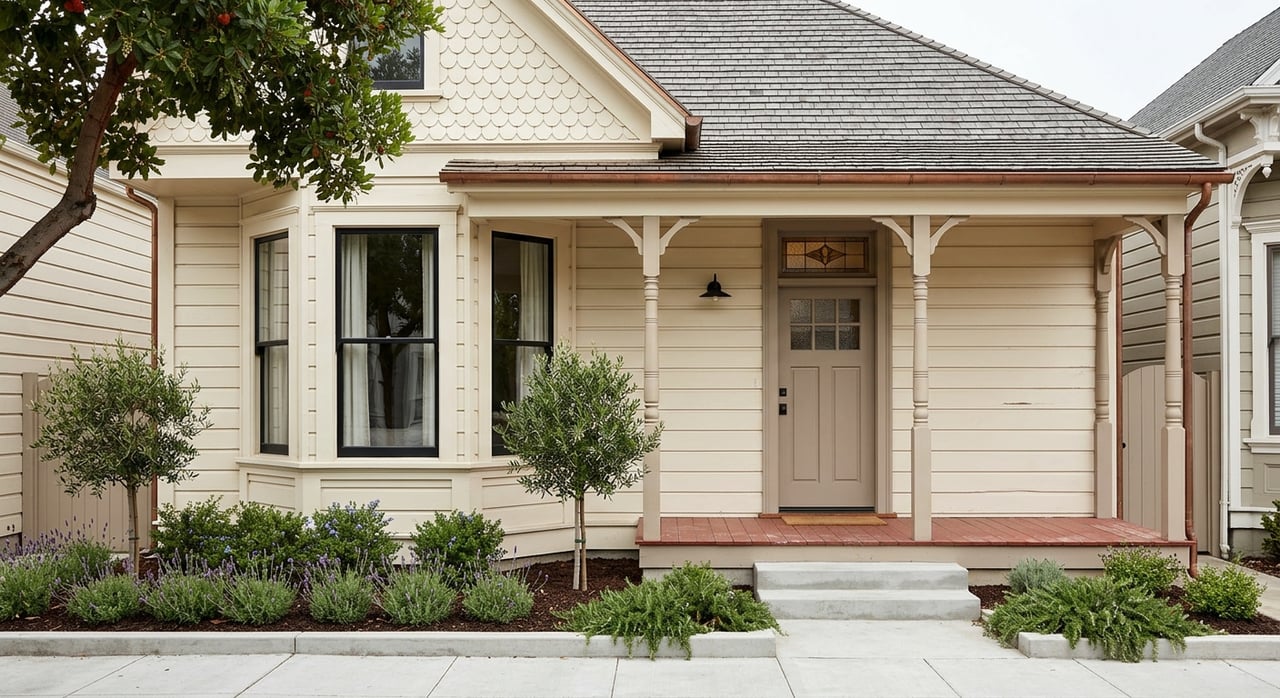
Historic West Petaluma Homes and Victorian Living
May 28, 2026
May 28, 2026
What if the charm that first draws you to West Petaluma is also the reason these homes stay so memorable? If you are captivated by ornate trim, tall windows, and streets lined with architecture that tells a story, you are not alone. Victorian home living in historic West Petaluma offers more than curb appeal. It gives you a daily experience shaped by local history, walkable surroundings, and the kind of character that newer homes rarely recreate. Let’s dive in.
Historic West Petaluma stands out because it grew from the city’s river-port roots. Petaluma was chartered in 1858, and its early growth followed a busy riverfront tied to produce, poultry, and dairy during the Gold Rush era. That history still shows up today in the homes, streetscapes, and older buildings that define the area.
On the west side, Oakhill-Brewster and the western end of town are central to that historic feel. The City of Petaluma describes Oakhill-Brewster as one of the city’s earliest residential neighborhoods, with homes from roughly the 1850s through the 1980s. That broad timeline gives the area a layered look, where historic homes sit within a neighborhood that still functions as part of everyday city life.
When people picture historic West Petaluma, they often think of Victorians first. That makes sense because restored Victorian homes and larger historic residences are an important part of the west-side identity. Still, the area is not made up of one style alone.
You will also find Craftsman homes, bungalows, Queen Anne designs, Victorian Stick architecture, Colonial Revival homes, and Spanish Revival influences nearby. That mix matters because it gives West Petaluma depth. Instead of feeling frozen in one era, it feels like a neighborhood that evolved over time.
If you are searching for a Victorian, it helps to keep your definition flexible. Some homes will offer classic Victorian features like decorative woodwork, steep rooflines, bay windows, and detailed facades, while others may blend period details with later updates. In practice, the appeal often comes from the full setting, not just one architectural label.
That is good news if you love historic character but want options. In West Petaluma, you may find homes that carry the spirit of the era without matching a single textbook style. That can open the door to properties with charm, livability, and a more practical floor plan.
One of the biggest advantages of living in this part of Petaluma is that it is not only scenic. It is functional. The downtown area is known for its walkable riverfront setting, historic commercial buildings, antique shops, galleries, restaurants, live music, and vintage storefronts.
That means a Victorian home here can offer more than a pretty exterior. It can place you near everyday experiences that make the neighborhood feel active and connected. You are not simply buying an old house. You are stepping into a lifestyle shaped by local businesses, public spaces, and a downtown core that remains in use.
The city highlights Petaluma’s sidewalks and trail network, including the Lynch Creek Trail and the River Trail. These features support movement through town and create opportunities to enjoy the river as part of your regular routine. For many buyers, that blend of history and convenience is a major part of the draw.
Petaluma River recreation also adds to the local rhythm of life. Paddleboarding, kayaking, and riverfront leisure are part of the city’s identity. In a historic neighborhood, that kind of access helps balance old-home charm with day-to-day livability.
West Petaluma benefits from being close to a downtown with a wide range of dining options. Local offerings include bakeries, pizzerias, brewpubs, seafood, steakhouses, and international cuisine. In many cases, these businesses operate in older buildings that reinforce the area’s historic character.
This matters because neighborhood appeal is not just about architecture. It is also about what surrounds it. In West Petaluma, the setting supports a lifestyle that feels both rooted and active.
A Victorian home can deliver a sense of individuality that is hard to duplicate. Original details, older craftsmanship, and mature streetscapes often create a visual richness that stands apart from more uniform housing. In historic West Petaluma, that appeal is strengthened by the city’s long architectural and civic story.
The city’s past was shaped by shipping, rail, agriculture, and design, and that history still has a visible presence today. Visit Petaluma also notes the influence of architect Brainerd Jones on local residential style, including Victorian homes and Arts & Crafts bungalows. So when you buy in this area, you are not only buying square footage. You are buying into a place with real local context.
Owning a historic home often means thinking ahead before making visible updates. In Petaluma, homes and buildings in historic districts may face extra requirements for exterior changes, especially for paint and windows. Projects in historic districts or on landmarks may require Historic SPAR review by the Historic and Cultural Preservation Committee.
This is one of the most important practical points for buyers to understand. A project that looks simple at first can take longer when historic review is involved. The city states that Historic SPAR applications require special review and public noticing and can take a minimum of six months.
If you are considering a historic West Petaluma home, it helps to approach changes with a long timeline in mind. Exterior work may involve more review, more documentation, and more patience than you would expect with a non-historic property. That does not make ownership less rewarding, but it does mean you should plan carefully.
This can be especially important if you hope to update windows, repaint the exterior, or make visible facade improvements soon after closing. Knowing the approval process in advance can help you budget both time and expectations more realistically.
Older homes usually come with a different maintenance mindset. In historic properties, the focus is often on preserving existing materials rather than replacing them whenever possible. That approach can help maintain the look and integrity that make the home valuable in the first place.
Windows are a good example. Preservation guidance notes that historic windows can last for generations when maintained, and replacement windows often do not quickly pay back their cost through energy savings. In many cases, careful repair and compatible storm windows may be a more fitting solution.
Exterior paint in older wood homes does more than improve appearance. It acts as a protective layer against moisture. Keeping paint in good condition is one of the basic ways to help preserve exterior wood elements over time.
Moisture-related issues also deserve close attention. Dry rot repair requires a permit in Petaluma, which is a useful reminder that water intrusion and wood deterioration are common ownership topics in older homes. If you are evaluating a Victorian property, it is wise to look closely at maintenance history around paint, wood condition, and moisture exposure.
Historic West Petaluma continues to attract buyers because the combination is hard to replicate. You get architectural character, proximity to a walkable downtown, river access, restaurants, arts, and a city identity strongly tied to its historic built environment. For many people, that mix feels more personal and lasting than a newer subdivision setting.
The local market snapshot supports that demand. In March 2026, Realtor.com classified Petaluma as a seller’s market, with a median of 24 days on market and an average sale-to-list ratio of 101%. While every property is different, well-maintained homes in desirable historic settings can continue to draw strong attention.
If you own a Victorian or other historic home in West Petaluma, presentation matters. Buyers are often drawn to these properties because of their visual character, but they also want confidence in how the home has been cared for. Thoughtful preparation, strong photography, and a clear story about the home’s setting and condition can make a meaningful difference.
That is especially true for homes with preserved details, updated systems, or a location close to downtown and the riverfront. When a property combines historic charm with practical livability, it often resonates strongly with today’s buyers.
The best way to think about Victorian home living in historic West Petaluma is to see it as a full experience. Yes, the architecture matters. But so do the sidewalks, trail connections, river access, downtown restaurants, and the civic history that gives the neighborhood substance.
That is what makes this area feel special. It is not a museum piece. It is a living part of Petaluma, where preserved homes and daily life still meet in a way that feels authentic.
If you are considering buying or selling a historic home in Sonoma County, working with a local professional who understands presentation, positioning, and the lifestyle story behind the property can help you move forward with confidence. To start the conversation, connect with Rhonda Alderman.
Stay up to date on the latest real estate trends.

Rhonda enjoys spending the critical time in understanding her clients’ specific needs and concerns. Contact her today so he can guide you through the buying and selling process.