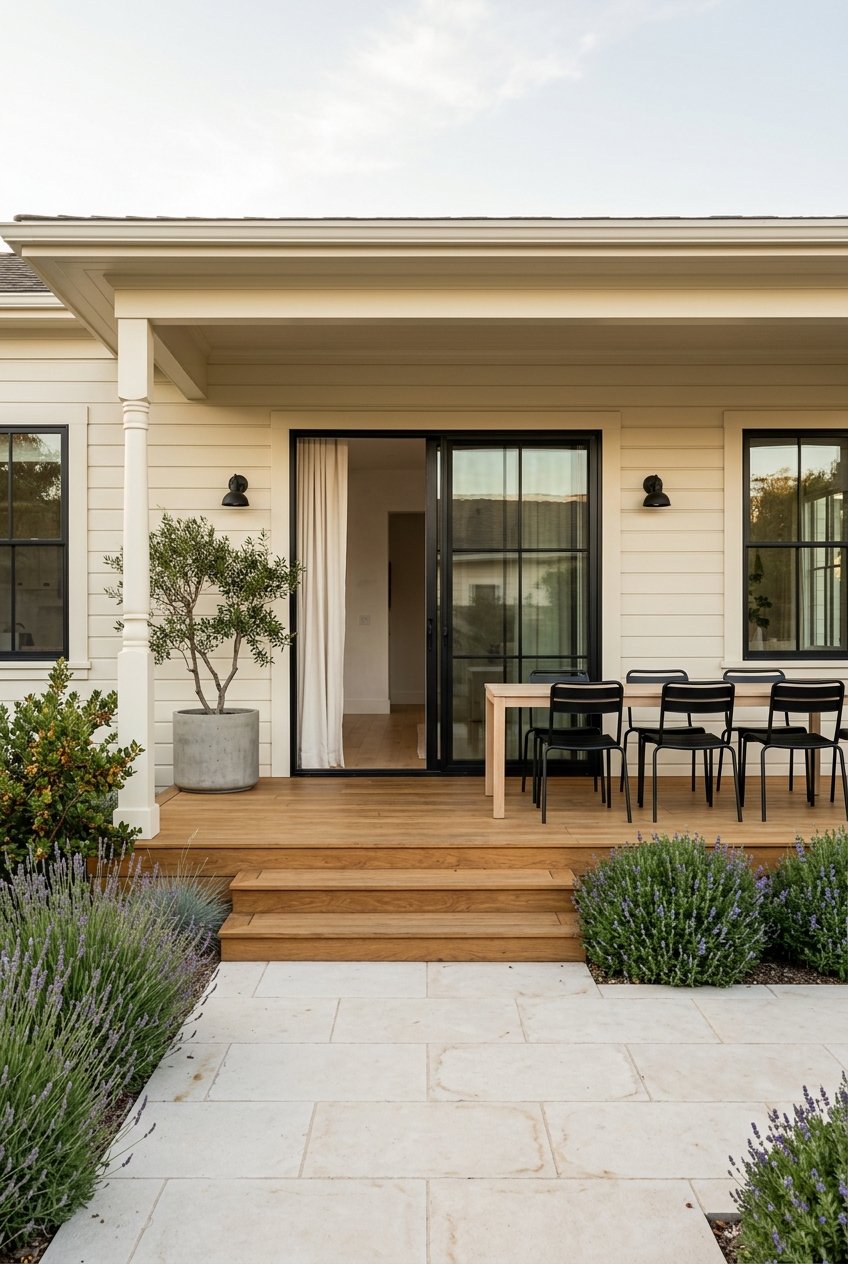
Petaluma Outdoor Living Homes With Timeless Character
June 4, 2026
June 4, 2026
If you are drawn to homes that feel rooted in place, Petaluma has a lot to offer. Here, outdoor living and historic character often go hand in hand, whether that means a shaded front porch near downtown, a private backyard patio tucked behind an older home, or easy access to the river, parks, and wetlands that shape daily life. If you are exploring a move, thinking about future resale, or simply trying to understand what makes Petaluma homes so appealing, this guide will help you see how the city’s setting and architecture work together. Let’s dive in.
Petaluma’s outdoor lifestyle starts with the landscape itself. The Petaluma River helps define historic downtown and supports boating, kayaking, rowing, bird watching, fishing, and simple riverside walks. That gives the city a strong sense of connection between home, town, and nature.
The nearby wetlands add another layer to that appeal. Petaluma includes about 500 acres of public wetlands, with trails through tidal salt marsh and freshwater marsh habitats and more than 200 bird species noted by the city. For many buyers, that means outdoor living in Petaluma is not only about a private yard, but also about everyday access to open space.
The city’s park system strengthens that lifestyle. Petaluma maintains nearly 50 parks and open-space areas, from small pocket parks to places like Steamer Landing Park on the McNear Peninsula and the Turning Basin downtown. These spaces make the outdoors feel woven into regular neighborhood life.
One of the most interesting things about Petaluma is that its historic charm does not come in just one style. The city identifies a National Register-listed Historic Commercial District along with two local historic districts, Oakhill-Brewster and A Street. Together, these areas show how broad and layered Petaluma’s architectural story really is.
Downtown has a strong historic presence. The city describes its Historic Commercial District as having 96 contributing buildings across about 23 acres, with a high degree of architectural integrity. When you walk through the area, that preserved character helps explain why Petaluma feels both lively and timeless.
Residential areas bring their own variety. In the A Street Historic District, most buildings date from before 1925, with a development period that spans from 1860 to 1925. Oakhill-Brewster, one of the city’s earliest residential neighborhoods, includes a wide range of homes from the 1850s through the 1980s, from larger, more elaborate houses to more modest homes.
Petaluma’s historic look is not one-note. City materials reference styles including late Victorian, Italianate, and Streamline Moderne downtown, along with notable residential examples such as Craftsman homes and the Neo-Classical former Carnegie Library. That mix creates a streetscape that feels collected over time rather than planned all at once.
For buyers, that means you can find charm expressed in very different ways. One home may offer classic detailing and a traditional porch, while another may stand out for simple lines, period windows, or a strong relationship to the street. In Petaluma, character often comes from the overall setting as much as any single feature.
In many older parts of Petaluma, outdoor space tends to follow the pattern of the lot. Historic neighborhoods are often more compact and street-oriented, so private outdoor living may be tucked to the side or rear of the home instead of spread across a large front lawn. That layout can create outdoor areas that feel more private and intentional.
This is one reason patios, decks, pergolas, and porches fit so naturally into Petaluma’s housing story. The city’s history points to fertile soils, a navigable waterway, and mild weather as part of what shaped local development. In practical terms, that helps explain why outdoor gathering spaces feel like a natural extension of the home here.
City project examples also show how homeowners have updated outdoor areas while keeping historic character in place. In Oakhill-Brewster, one project included restoration of a front porch. Another Craftsman residence proposal included a rear addition, rear deck, and pergola with little visibility from the street.
In Petaluma, outdoor living often happens on two levels. First, there is the private side, like a backyard dining area, porch seating, or a quiet deck off the rear of the house. Second, there is the public side, with trails, parks, river access, and walkable areas that extend your living experience beyond the property line.
That dual appeal matters when you think about lifestyle and long-term value. A home does not have to sit on a huge lot to feel connected to the outdoors. In Petaluma, proximity to the river, downtown gathering spaces, pocket parks, and wetland trails can be part of the appeal buyers remember most.
Near downtown and within historic districts, you are more likely to find homes shaped by earlier development patterns. These areas often feature compact lots, strong street presence, and architecture that reflects the city’s earlier growth. Outdoor spaces in these settings may be more subtle from the street, with much of the living area behind the home.
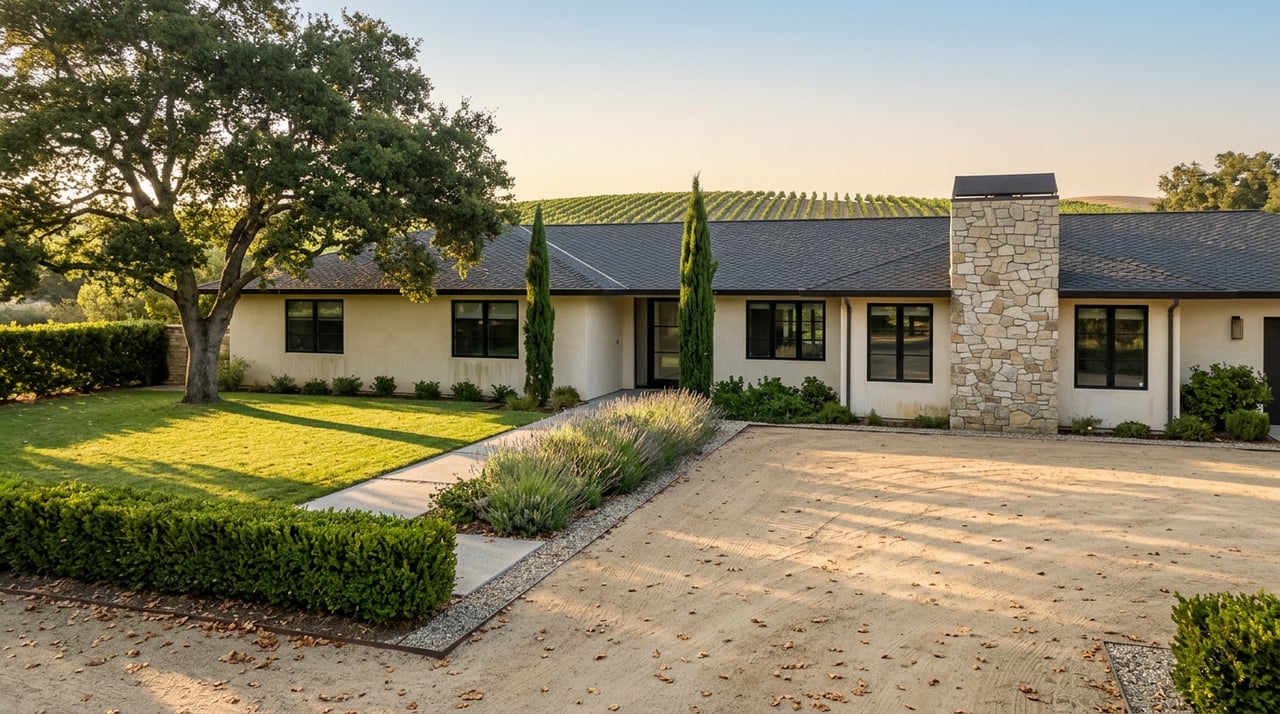
Outside the older core, Petaluma also includes later-growth residential areas tied to suburban expansion from the 1950s through the 1970s, followed by infill in later decades. The city describes this as creating a more mixed urban fabric outside downtown. That history helps explain why some parts of Petaluma include ranch-era or ranch-style pockets with a different indoor-outdoor feel.
In these later neighborhoods, outdoor living may show up in broader backyards, simpler patio layouts, or homes with a more spread-out footprint. Buyers who want a certain kind of yard, entertaining space, or garden potential often notice this difference quickly. The right fit depends on whether you prefer historic detail, a more classic suburban pattern, or a blend of both.
If you love the idea of improving a historic Petaluma home, it is important to understand that exterior changes are taken seriously. The city says almost all exterior work in a historic district requires some level of discretionary review. Alterations must conform to district guidelines and the Secretary of the Interior’s Standards.
That does not mean updates are off the table. It means the process is more thoughtful, especially when the work affects the home’s visible character, scale, or relationship to the street. The city also notes that demolition review applies to many pre-1945 structures, and a second story may be treated as demolition if it is not clearly differentiated from the original building.
Outside historic districts, review can still apply to outdoor projects. According to the city, landscaping projects that add or change 500 or more square feet, or that include new fencing, walls, or outdoor furniture, may require review and permits. Tree work, retaining walls, windows, fences, roofs, and additions may also need permits.
For homeowners, the takeaway is simple: outdoor improvements in Petaluma are often possible, but they are rarely just cosmetic decisions. Design, placement, visibility, and permitting can all matter. If you are buying with plans to add a patio, update a garden, build a deck, or rework the exterior, it helps to understand those factors early.
For sellers, these details matter too. Buyers often respond well to homes where outdoor spaces feel well planned and appropriate to the property. A home that balances charm, function, and respect for the setting can stand out in a market where presentation matters.
Petaluma stands out because its outdoor lifestyle is not separate from its housing character. The river, wetlands, parks, historic streets, and varied architecture all contribute to the way homes are experienced here. That gives the city a sense of identity that many buyers are looking for but cannot always define until they see it in person.
When you combine that setting with homes that range from early historic residences to later ranch-era neighborhoods, you get options for different lifestyles and goals. Some buyers want a period home near downtown with a porch and tucked-away backyard. Others want a property with easier outdoor expansion in a later neighborhood. Petaluma offers both, along with the shared advantage of a city that keeps the outdoors close at hand.
If you are thinking about buying or selling in Petaluma, understanding how outdoor living and historic character shape buyer interest can help you make better decisions. For tailored guidance on positioning a home for the market or finding the right fit in Sonoma County, connect with Rhonda Alderman.
Stay up to date on the latest real estate trends.

Rhonda enjoys spending the critical time in understanding her clients’ specific needs and concerns. Contact her today so he can guide you through the buying and selling process.